
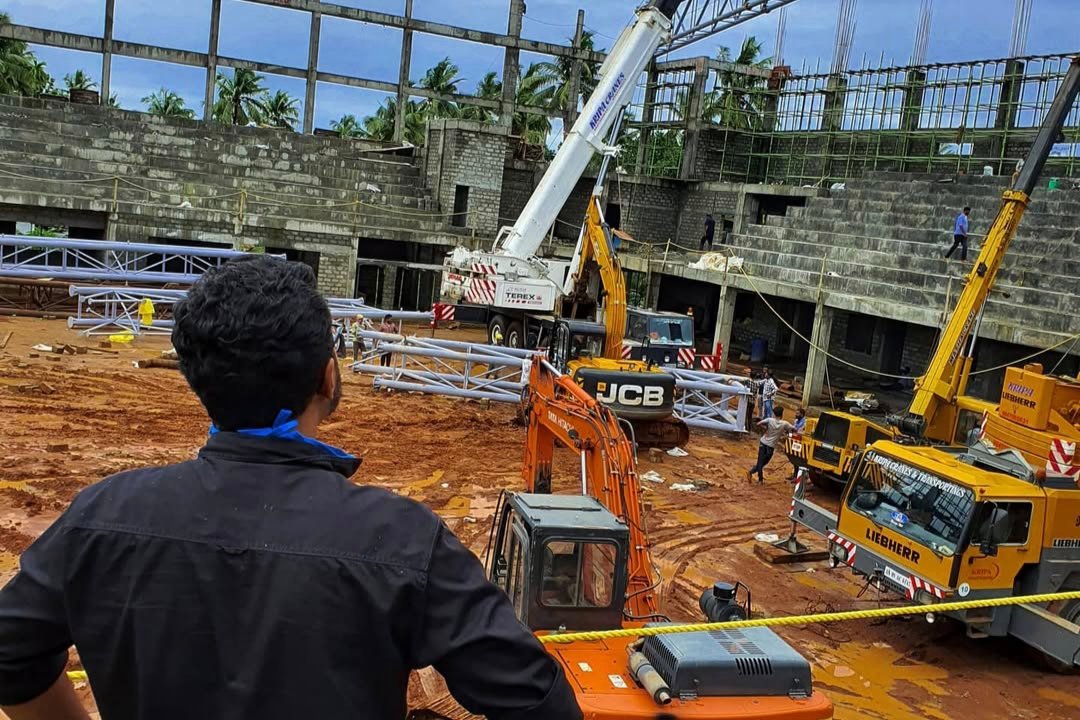
Construction management is the backbone of every successful building project. It ensures that planning, execution, quality control, and safety are aligned from start to finish. Without proper management, even well-designed projects can face delays, cost overruns, and quality issues.
A construction manager coordinates all stakeholders involved in the project, including architects, engineers, contractors, and suppliers. This coordination ensures clear communication and smooth workflow across different phases of construction. Scheduling plays a critical role here, as timely sequencing of tasks prevents delays and resource conflicts.
Quality control is another major responsibility of construction management. Regular inspections, material checks, and workmanship reviews ensure that construction meets design specifications and industry standards. This attention to detail minimizes rework and enhances long-term durability.
Safety management is equally important. Construction sites involve various risks, and a structured safety plan protects workers, equipment, and the surrounding environment. Compliance with safety regulations also reduces legal risks and project interruptions.
Effective construction management results in timely delivery, cost efficiency, and client satisfaction. It transforms complex construction processes into organized, predictable outcomes.


No Comments